
New 3D Model Reveals How Mosquitoes Hunt — and How We Can Stop Them
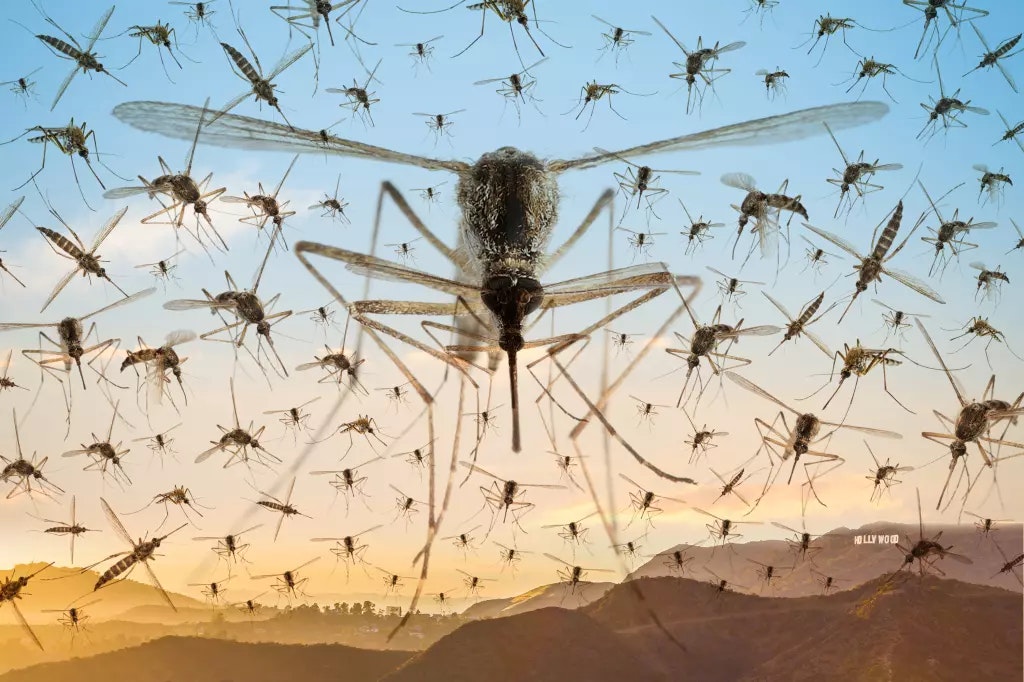
Researchers from Massachusetts Institute of Technology and Georgia Institute of Technology have developed the first-ever three-dimensional model that predicts how mosquitoes fly when searching for humans. The findings, published in Science Advances, could significantly improve mosquito trap design and disease prevention strategies.
Mosquitoes rely on multiple environmental cues to locate human hosts, including visual contrast, such as a person’s silhouette, and carbon dioxide (CO₂) from exhaled breath. They also respond to additional signals like body heat, skin odors, and humidity. The study focused on Aedes aegypti, a species well known for spreading diseases such as dengue fever and West Nile virus, making it a critical target for control efforts.
Using more than 53 million data points and tracking over 477,000 individual flight paths, researchers identified three distinct behaviors mosquitoes use when approaching a potential host. When mosquitoes can see a target but do not detect confirming chemical cues, they perform what researchers call a “fly-by,” diving toward the object and then quickly veering away. When they can smell carbon dioxide but cannot see a target, they exhibit a “double-take” behavior, slowing down and hovering or zigzagging to remain near the source of the scent.
When both visual and chemical cues are present, mosquitoes switch to a third and notably different behavior: orbiting. In this mode, they circle a target at a steady pace, similar to a predator preparing to land. Researchers found that this behavior is not simply a combination of the other two patterns, but a distinct flight strategy triggered by the integration of multiple sensory signals.
This discovery has important implications for mosquito control. Mosquitoes are widely considered the deadliest animals in the world due to their ability to transmit diseases like malaria, which together cause more than 770,000 deaths globally each year. The new model suggests that traps relying on a single attractant may be less effective, as mosquitoes are more likely to remain engaged when multiple cues are present simultaneously.
By incorporating visual, chemical, and potentially thermal cues into trap design, researchers believe it is possible to create more effective systems that hold mosquitoes’ attention long enough to capture them. The team has also developed an interactive simulation tool that allows scientists to test how mosquitoes might respond to different trap configurations and environmental conditions in real time.
For the public, these findings reinforce the importance of layered prevention strategies. Reducing standing water where mosquitoes breed, using airflow from fans to disrupt flight, and minimizing strong visual contrasts or exposed skin during peak activity hours can all help reduce mosquito bites. As this research advances, communities can expect more targeted and effective mosquito control tools that better reflect how these insects actually behave in the real world.