
What Could a Strong El Niño Winter Mean for Mosquitoes in Compton?
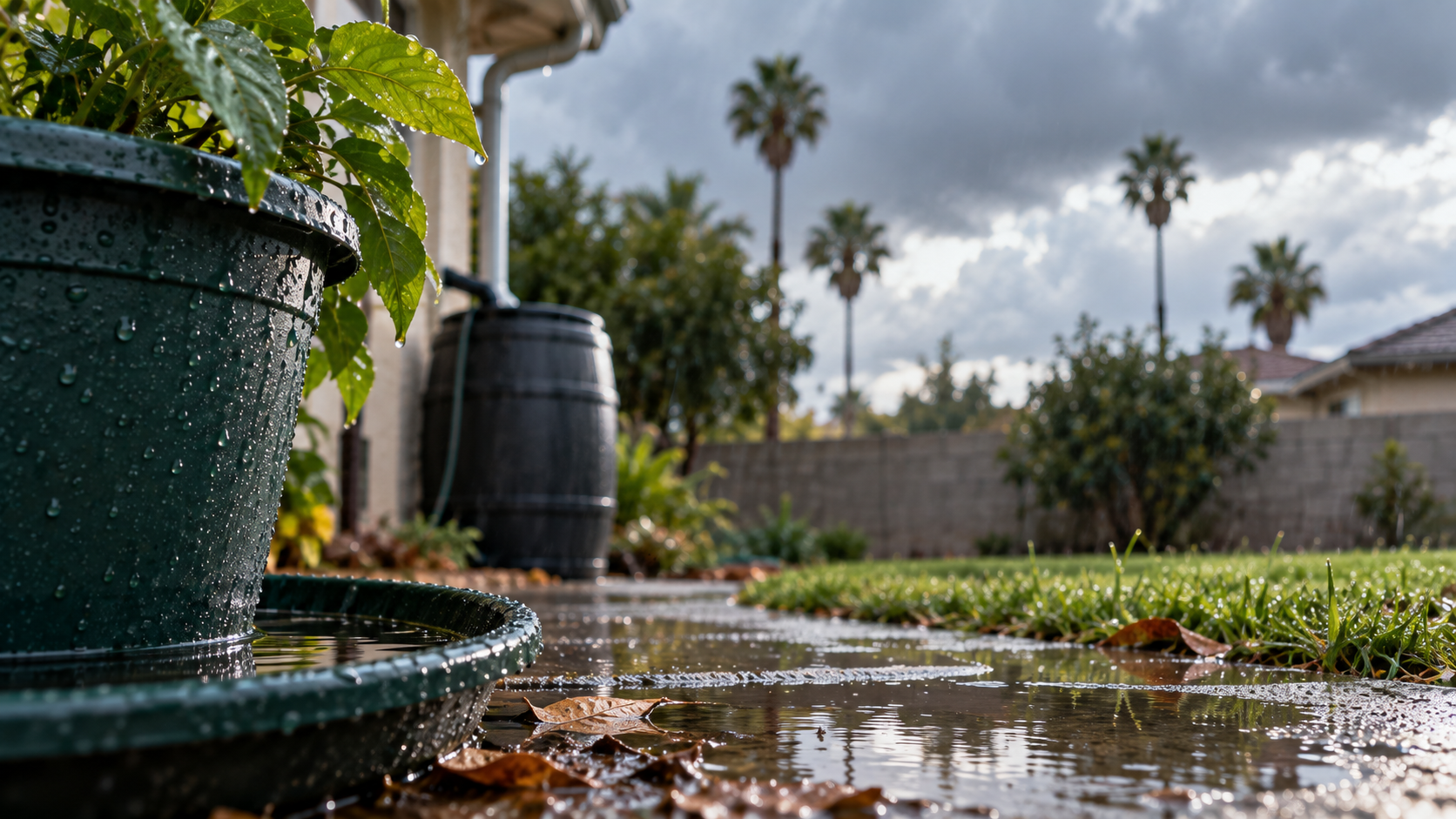
NOAA reports a greater than 90% chance of a very strong El Niño during fall and winter 2026–27 — and while that does not guarantee heavy rain in Compton, the standing water winter storms leave behind in containers, gutters, and pool covers can support mosquito breeding long after a storm passes. Compton Creek Mosquito Abatement District explains what to check after every storm and how to keep standing water from becoming a mosquito breeding site through the winter months.
NOAA is reporting a strengthening El Niño, with a greater than 90% chance of a very strong event during fall and winter 2026–27. A strong El Niño can affect weather patterns, but it does not tell us exactly how much rain Compton will receive this winter. For mosquito control, what matters is the water that rain can leave behind.
A stronger El Niño increases the chances of weather patterns associated with El Niño, but local impacts can vary. Rainfall in Compton is not guaranteed. What residents can address now is standing water around their homes.
If winter storms bring periods of rain to Compton, water can collect around homes and remain after the storm has passed. Flowerpot saucers, buckets, clogged drains, pool covers, and other items around a property can hold enough water to provide mosquito breeding habitat. That makes winter a good time to keep checking for standing water, even when mosquitoes are less noticeable.
What Happens After It Rains?
Most rainwater drains or dries. Some does not.
Water can remain in containers around a yard, collect in a blocked gutter, or sit on top of a tarp or pool cover. Areas that repeatedly collect water should also be checked after storms.
Flowerpot saucers, buckets, and outdoor containers collect rain and hold it long after the storm passes.
Debris in gutters keeps rainwater from draining. A blocked gutter can hold standing water for days.
Water collects in folds and depressions on tarps and covers that are not immediately visible from across the yard.
Areas that repeatedly collect water should be checked after every storm — not just when mosquitoes become noticeable.
Check the Places That Hold Water
After it rains, walk around your property and look at the places where water may have collected.
- Flowerpot saucers and outdoor containers
- Birdbaths, children's toys, and anything stored outside that can hold water
- Gutters and drains — make sure they are clear
- Pool and spa covers — check for collected rainwater
- Rain barrels and other water-storage containers — keep them tightly covered so mosquitoes cannot get inside
- Swimming pools and spas — continue regular maintenance
You do not have to see mosquitoes for these checks to be useful. The water is what you are looking for.
Some Mosquito Eggs Can Remain in Containers
Some container-breeding mosquitoes lay their eggs along the inside walls of containers near the waterline. Those eggs can remain after the water is gone and hatch later when they are covered with water again.
Dumping the water is sometimes only part of the job. Containers that can be cleaned should be scrubbed before they are put away or used again. Items that stay outside should be checked again after the next rain.
Does a Strong El Niño Mean More Mosquitoes?
Not necessarily.
Mosquito populations depend on several conditions, including available water and temperature. Rainfall alone does not tell us what mosquito activity will look like months later.
A strong El Niño does not guarantee a particular amount of rainfall in Compton. NOAA notes that stronger El Niño increases the chances of associated weather patterns, but those impacts can vary.
If winter rain repeatedly fills containers or leaves water in areas that do not drain, those sources should be emptied or corrected rather than left in place.
Keep Checking Through the Winter
Mosquito prevention does not need to stop because the weather is cooler.
After a storm, check the yard once the rain has passed. Empty water from containers that do not need it.
Clear gutters or drains that are not draining properly. Blocked drainage is one of the most common sources District staff find during inspections.
Keep permanent water features maintained. Pools, spas, fountains, and ornamental ponds need ongoing attention through the winter months.
Then check again the following week or after the next rain. Removing standing water throughout the winter reduces the number of places available for mosquitoes to develop when conditions are suitable.
Then check again after the next rain.
NOAA Climate Prediction Center · Los Angeles County Department of Public Health
Standing Water You Cannot Eliminate?
If you have standing water that you cannot eliminate or are experiencing a persistent mosquito problem, contact Compton Creek Mosquito Abatement District for assistance. Every District service is free within our service area.
Contact CCMAD → Call 310-933-5321 →